
Featured
Dancing for Money: How to Price Your Talent Without Selling Yourself Short
Pricing your dance talent can feel uncomfortable, but it's essential for building a sustainable career. Discover proven strategies for establishing professional rates that reflect your skill, experience, and market value. From calculating true costs to confidently negotiating fees, learn how successful dancers price their services without undervaluing their artistry or pricing themselves out of opportunities.
January 1, 19706 min read696 views
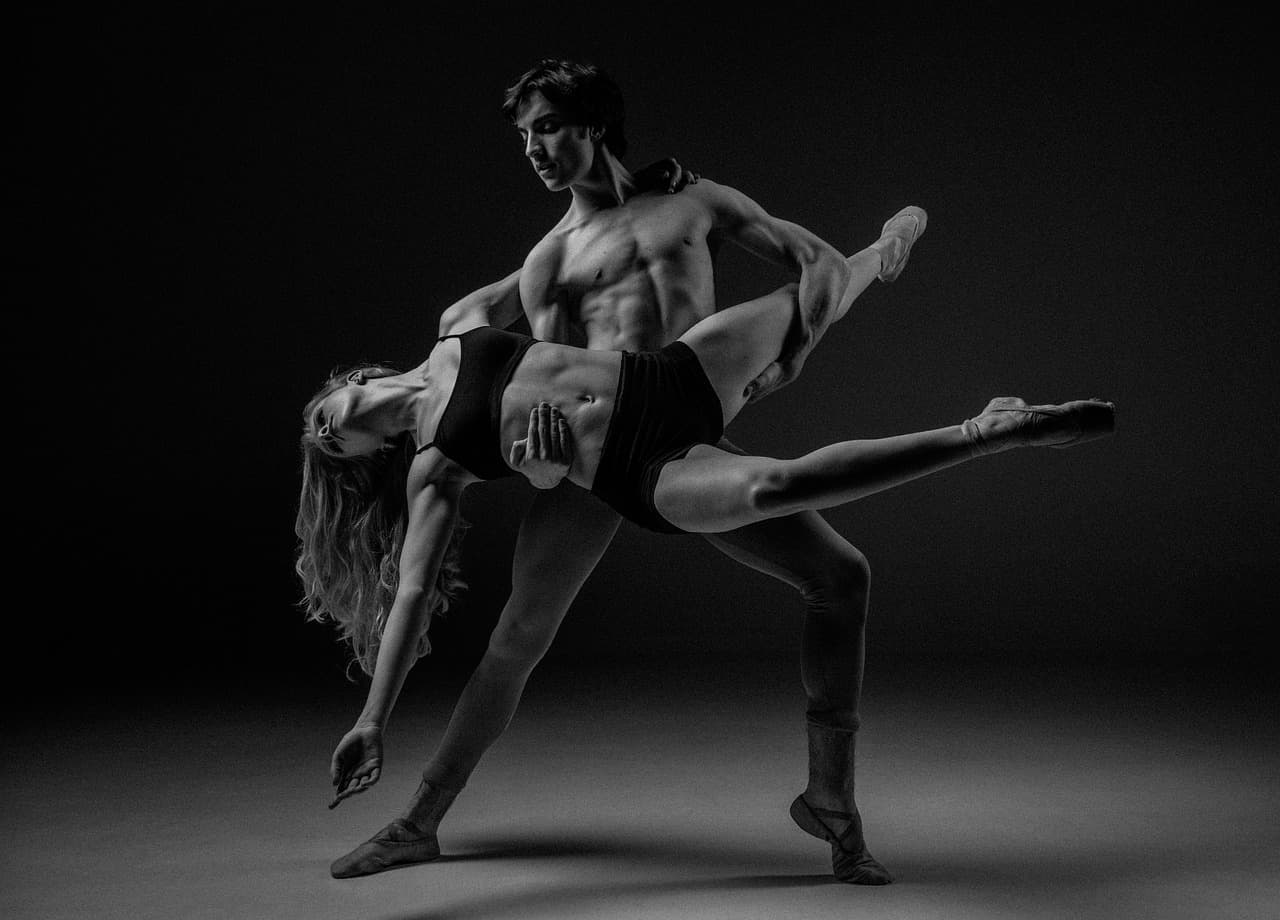
One of the most challenging aspects of building a dance career is determining what to charge for your talent. Price too low, and you'll struggle financially while attracting clients who don't value your expertise. Price too high without justification, and you'll lose opportunities to more competitively positioned dancers. Finding the sweet spot requires understanding your market, calculating your true costs, and confidently communicating your value.
## 1. Understand Your Market Value and Competition
Before setting rates, research what other dancers with similar experience charge in your area. Contact local dance studios, performance venues, and choreographers to understand going rates for different services. Pricing varies dramatically based on location—dancers in major metropolitan areas command higher rates than those in smaller markets, reflecting differences in cost of living and demand.
### Service Category Considerations:
Different dance services warrant different pricing structures. Teaching group classes typically pays less per hour than private instruction. Performance work might offer flat fees per show or hourly rehearsal rates. Choreography often commands premium pricing, especially for specialized work like wedding choreography or commercial projects. Corporate entertainment gigs usually pay significantly more than community events but may require more extensive liability insurance.
Don't just compete on price. Dancers who position themselves as premium service providers—with professional photos, video reels, liability insurance, and proven track records—can charge 20-50% more than competitors with similar technical skills but less polished business presentation.
## 2. Calculate Your True Costs and Minimum Rates
Many dancers dramatically undercharge because they only consider the time spent performing or teaching, ignoring preparation, travel, administrative work, and business expenses. Calculate your actual hourly investment for each type of gig. A one-hour private lesson might require 30 minutes of travel, 15 minutes of preparation, and 15 minutes of follow-up communication—doubling your actual time commitment.
Factor in business expenses: studio rental fees, music licensing, costumes and dancewear, liability insurance, website hosting, marketing costs, continuing education, and equipment. Don't forget self-employment taxes, which add roughly 15% to your tax burden beyond standard income tax. Once you account for these costs, that $40/hour class might net you closer to $20 after expenses and taxes.
### Establishing Your Minimum Rate:
Determine your baseline—the absolute minimum you need to earn hourly to cover expenses and make your business sustainable. This becomes your floor. Anything below this rate loses you money regardless of how it "looks good on your resume." Knowing this number gives you confidence to decline unprofitable opportunities.
## 3. Create Tiered Pricing Based on Experience and Specialization
Your rates should evolve as your career progresses. Entry-level dancers with 1-3 years of teaching experience might charge $35-50/hour for private instruction, while established professionals with 10+ years and specialized certifications can command $100-150/hour or more. Document your qualifications, training, performance credits, and teaching experience to justify premium pricing.
Specialized skills warrant premium rates. If you're trained in niche styles like Bollywood fusion, aerial dance, or historical period dance, you can charge more than generalists teaching common styles. Commercial dancers working in film, television, or music videos typically negotiate day rates ($500-2,000+) rather than hourly fees, reflecting industry standards and union scale rates where applicable.
## 4. Develop Clear Pricing Packages and Policies
Create structured pricing packages that make it easy for clients to say yes while maximizing your revenue. Instead of just offering hourly rates, bundle services into packages. For wedding choreography, offer tiered packages: Basic (3 sessions, simple routine), Standard (5 sessions, customized choreography, music editing), Premium (8 sessions, complex routine, unlimited revisions, video tutorial).
### Essential Pricing Policies:
Establish clear policies around cancellations, rescheduling, and payment terms. Require deposits (typically 25-50%) to secure bookings, protecting you from last-minute cancellations. Specify your cancellation policy—many dancers require 24-48 hours notice or charge the full session fee. Accept multiple payment methods to remove friction from the booking process.
Be transparent about what's included and what costs extra. If travel beyond a certain radius incurs additional fees, state this upfront. If costume rentals, custom music editing, or videography aren't included in base rates, clarify this before clients commit.
## 5. Master the Art of Confident Negotiation
When discussing rates, confidence is crucial. State your prices clearly without apologizing or hedging. Avoid phrases like "I usually charge..." or "Is that okay?" Instead, use language like "My rate for this service is X" or "The investment for this package is Y." Your certainty helps clients perceive value.
Be prepared for negotiation, especially for long-term contracts or bulk bookings. Have a strategy for discounts—you might offer 10% off for booking 10+ sessions upfront or provide nonprofit discounts for qualifying organizations. Never drop your rates arbitrarily just because someone asks. If you do offer reduced pricing, frame it as a strategic discount for specific reasons, not desperation for work.
When clients claim budget constraints, don't immediately lower your rates. Instead, adjust the scope. "My rate is firm at $X per hour, but we could reduce the number of sessions" or "I could modify the choreography complexity to fit your budget." This maintains your rate integrity while showing flexibility.
## 6. Know When to Raise Your Rates and Grandfather Clients
Successful dancers raise their rates regularly—typically 5-10% annually or whenever they achieve significant career milestones like major performance credits, advanced certifications, or increased demand. Announce rate increases with 30-60 days notice to existing clients, and consider grandfathering loyal, long-term clients at their current rates for a period as a courtesy.
Don't apologize for rate increases. Frame them as necessary business adjustments: "To continue providing the quality instruction you've come to expect while investing in my ongoing professional development, my rates will be adjusting effective January 1st." Most clients understand that prices increase over time and quality services cost more.
## Your Talent Has Value—Price It Accordingly
Pricing your dance services is both art and science. By researching your market, calculating true costs, positioning yourself professionally, and negotiating confidently, you create a sustainable career that honors your talent and hard work. Remember, clients who only choose based on the lowest price often become the most difficult to work with. Focus on attracting clients who value quality and professionalism—these relationships become the foundation of a thriving dance business. Your years of training, practice, and dedication have value. Price accordingly, and the right opportunities will follow.
## 1. Understand Your Market Value and Competition
Before setting rates, research what other dancers with similar experience charge in your area. Contact local dance studios, performance venues, and choreographers to understand going rates for different services. Pricing varies dramatically based on location—dancers in major metropolitan areas command higher rates than those in smaller markets, reflecting differences in cost of living and demand.
### Service Category Considerations:
Different dance services warrant different pricing structures. Teaching group classes typically pays less per hour than private instruction. Performance work might offer flat fees per show or hourly rehearsal rates. Choreography often commands premium pricing, especially for specialized work like wedding choreography or commercial projects. Corporate entertainment gigs usually pay significantly more than community events but may require more extensive liability insurance.
Don't just compete on price. Dancers who position themselves as premium service providers—with professional photos, video reels, liability insurance, and proven track records—can charge 20-50% more than competitors with similar technical skills but less polished business presentation.
## 2. Calculate Your True Costs and Minimum Rates
Many dancers dramatically undercharge because they only consider the time spent performing or teaching, ignoring preparation, travel, administrative work, and business expenses. Calculate your actual hourly investment for each type of gig. A one-hour private lesson might require 30 minutes of travel, 15 minutes of preparation, and 15 minutes of follow-up communication—doubling your actual time commitment.
Factor in business expenses: studio rental fees, music licensing, costumes and dancewear, liability insurance, website hosting, marketing costs, continuing education, and equipment. Don't forget self-employment taxes, which add roughly 15% to your tax burden beyond standard income tax. Once you account for these costs, that $40/hour class might net you closer to $20 after expenses and taxes.
### Establishing Your Minimum Rate:
Determine your baseline—the absolute minimum you need to earn hourly to cover expenses and make your business sustainable. This becomes your floor. Anything below this rate loses you money regardless of how it "looks good on your resume." Knowing this number gives you confidence to decline unprofitable opportunities.
## 3. Create Tiered Pricing Based on Experience and Specialization
Your rates should evolve as your career progresses. Entry-level dancers with 1-3 years of teaching experience might charge $35-50/hour for private instruction, while established professionals with 10+ years and specialized certifications can command $100-150/hour or more. Document your qualifications, training, performance credits, and teaching experience to justify premium pricing.
Specialized skills warrant premium rates. If you're trained in niche styles like Bollywood fusion, aerial dance, or historical period dance, you can charge more than generalists teaching common styles. Commercial dancers working in film, television, or music videos typically negotiate day rates ($500-2,000+) rather than hourly fees, reflecting industry standards and union scale rates where applicable.
## 4. Develop Clear Pricing Packages and Policies
Create structured pricing packages that make it easy for clients to say yes while maximizing your revenue. Instead of just offering hourly rates, bundle services into packages. For wedding choreography, offer tiered packages: Basic (3 sessions, simple routine), Standard (5 sessions, customized choreography, music editing), Premium (8 sessions, complex routine, unlimited revisions, video tutorial).
### Essential Pricing Policies:
Establish clear policies around cancellations, rescheduling, and payment terms. Require deposits (typically 25-50%) to secure bookings, protecting you from last-minute cancellations. Specify your cancellation policy—many dancers require 24-48 hours notice or charge the full session fee. Accept multiple payment methods to remove friction from the booking process.
Be transparent about what's included and what costs extra. If travel beyond a certain radius incurs additional fees, state this upfront. If costume rentals, custom music editing, or videography aren't included in base rates, clarify this before clients commit.
## 5. Master the Art of Confident Negotiation
When discussing rates, confidence is crucial. State your prices clearly without apologizing or hedging. Avoid phrases like "I usually charge..." or "Is that okay?" Instead, use language like "My rate for this service is X" or "The investment for this package is Y." Your certainty helps clients perceive value.
Be prepared for negotiation, especially for long-term contracts or bulk bookings. Have a strategy for discounts—you might offer 10% off for booking 10+ sessions upfront or provide nonprofit discounts for qualifying organizations. Never drop your rates arbitrarily just because someone asks. If you do offer reduced pricing, frame it as a strategic discount for specific reasons, not desperation for work.
When clients claim budget constraints, don't immediately lower your rates. Instead, adjust the scope. "My rate is firm at $X per hour, but we could reduce the number of sessions" or "I could modify the choreography complexity to fit your budget." This maintains your rate integrity while showing flexibility.
## 6. Know When to Raise Your Rates and Grandfather Clients
Successful dancers raise their rates regularly—typically 5-10% annually or whenever they achieve significant career milestones like major performance credits, advanced certifications, or increased demand. Announce rate increases with 30-60 days notice to existing clients, and consider grandfathering loyal, long-term clients at their current rates for a period as a courtesy.
Don't apologize for rate increases. Frame them as necessary business adjustments: "To continue providing the quality instruction you've come to expect while investing in my ongoing professional development, my rates will be adjusting effective January 1st." Most clients understand that prices increase over time and quality services cost more.
## Your Talent Has Value—Price It Accordingly
Pricing your dance services is both art and science. By researching your market, calculating true costs, positioning yourself professionally, and negotiating confidently, you create a sustainable career that honors your talent and hard work. Remember, clients who only choose based on the lowest price often become the most difficult to work with. Focus on attracting clients who value quality and professionalism—these relationships become the foundation of a thriving dance business. Your years of training, practice, and dedication have value. Price accordingly, and the right opportunities will follow.
Written by chrisormiston@gmail.com
Comments
Comments system will be implemented with moderation