
Featured
Booking Gigs for Musicians: Tips & Tricks to Fill Your Calendar
Breaking into the live music scene requires more than talent—it demands strategy. Discover essential tips and tricks for booking consistent gigs, from crafting compelling press kits to mastering venue outreach. Learn how successful musicians build relationships, leverage social proof, and create booking momentum that keeps their calendars full and their music careers thriving.
January 1, 19705 min read547 views
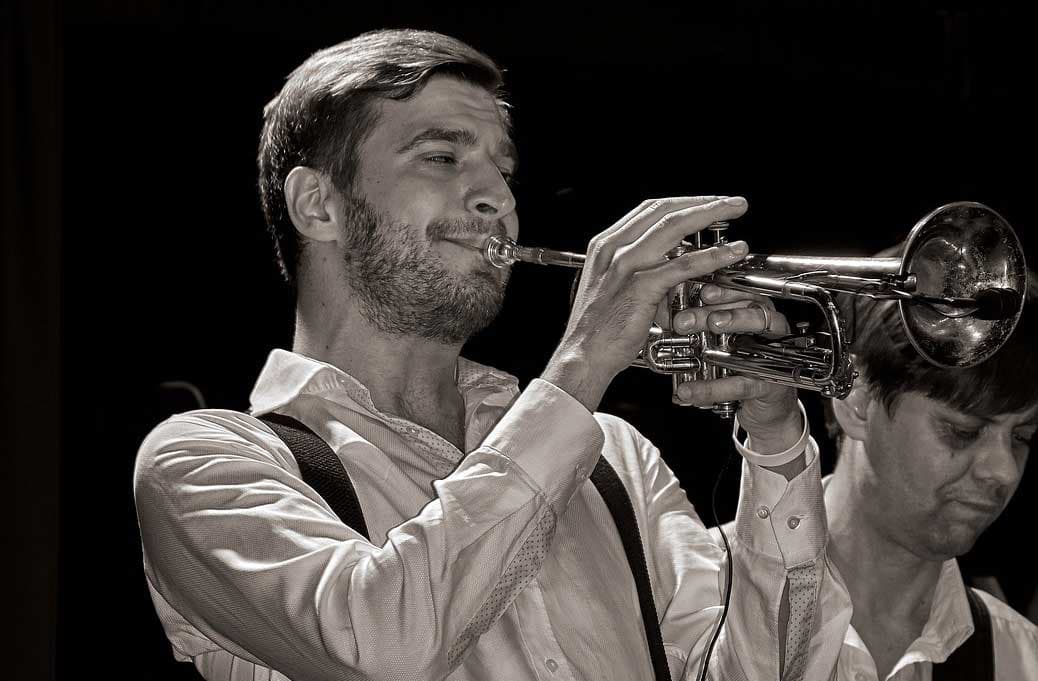
For musicians, a packed performance calendar is the foundation of a sustainable career. Yet many talented artists struggle to book consistent gigs, not because they lack skill, but because they haven't mastered the business side of music. Whether you're a solo artist, band member, or DJ, these proven strategies will help you secure more bookings and build lasting relationships with venues and promoters.
## 1. Build a Professional Electronic Press Kit (EPK)
Your EPK is your calling card in the music industry. Venue owners and booking agents receive dozens of inquiries weekly—your EPK needs to make an immediate impression. A professional EPK should include high-quality promotional photos, a compelling artist bio (short and long versions), streaming links to your best tracks, recent performance videos, and social media statistics showing your drawing power.
### Essential EPK Components:
- **Professional Photos:** High-resolution images suitable for promotional materials
- **Music Samples:** 3-5 of your strongest tracks with streaming links
- **Performance Videos:** Live footage demonstrating stage presence and audience engagement
- **Social Proof:** Follower counts, streaming numbers, and previous venue testimonials
- **Technical Rider:** Equipment needs and stage requirements
- **Contact Information:** Make it effortless for venues to reach you
Keep your EPK updated and hosted on a single, easy-to-share link. Services like Bandzoogle, Sonicbids, or even a well-designed personal website work perfectly. Never make venues hunt for basic information about your act.
## 2. Research and Target the Right Venues
Not every venue is right for your music, and shotgun approaches waste everyone's time. Research venues that regularly book artists in your genre and at your current career level. A jazz trio shouldn't pitch rock clubs, and an emerging artist shouldn't expect to headline a 2,000-capacity venue immediately.
Visit potential venues in person when possible. Attend shows to understand the atmosphere, typical crowd size, and what acts perform successfully there. This research allows you to craft personalized pitches that demonstrate you understand the venue's brand and audience. Reference specific shows you've attended or acts you've seen there—this attention to detail sets you apart from generic mass emails.
## 3. Master the Art of the Cold Pitch
When reaching out to venues cold, personalization is everything. Address the booking manager by name (research this on the venue's website or social media). Keep your initial email concise—booking managers are busy and won't read lengthy bios. Lead with your strongest selling points: comparable artists you've opened for, impressive streaming numbers, or successful shows at similar venues.
### Effective Pitch Structure:
Start with a brief introduction and why you're reaching out to their specific venue. Include one or two compelling statistics (recent show attendance, social media following). Provide links to your EPK and best live performance video. Suggest specific available dates showing you've done your homework about their booking calendar. Close with a clear call-to-action making it easy for them to say yes.
Follow up professionally if you don't hear back within two weeks, but never be pushy or entitled. Booking managers remember aggressive artists—and not in a good way.
## 4. Leverage Your Network and Build Relationships
Your network is your net worth in the music industry. Connect with other musicians at your level and propose show swaps—you open for them in their city, they open for you in yours. These relationships create booking opportunities and help you tap into established fanbases.
Treat every venue interaction as the beginning of a long-term relationship. Show up on time, be professional with sound engineers, promote the show enthusiastically on social media, and bring a crowd. Venues book reliable artists who make their jobs easier. One successful show often leads to recurring bookings and recommendations to other venues.
Join local musician groups on Facebook, attend open mics regularly, and participate in your music community. Many of the best gig opportunities come through word-of-mouth from fellow musicians who can vouch for your professionalism and talent.
## 5. Promote Yourself Relentlessly (But Authentically)
Venues book artists who can draw crowds. Your social media presence directly impacts your booking potential. Consistently share high-quality content showcasing your music, personality, and upcoming shows. Use Instagram Stories, TikTok, and Reels to give followers behind-the-scenes glimpses of your musical journey.
Create event pages for every show and invite your entire network. Track your metrics—know your average attendance, email list size, and engagement rates. These numbers become powerful negotiating tools. Consider offering incentives for fans who attend multiple shows, creating a core group of supporters venues can count on.
Build an email list from day one. Social media algorithms change, but email gives you direct access to your fans. Send regular updates about upcoming shows, new music, and exclusive content. A engaged email list of 500 fans is worth more than 5,000 passive social media followers.
## 6. Follow Up and Track Your Outreach
Maintain a spreadsheet tracking every venue you've contacted, including dates, responses, and follow-up schedules. This organization prevents embarrassing duplicate pitches and helps you identify patterns in successful approaches. Note which venues book similar artists, typical response times, and preferred contact methods.
After performing, always send thank-you notes to venue staff and booking managers. Include photos from the show, attendance numbers, and any positive feedback you received. This follow-up keeps you top-of-mind for future opportunities and demonstrates professionalism that sets you apart.
Consistency Creates Momentum
Booking gigs is a numbers game requiring persistence, professionalism, and patience. Not every pitch will succeed, but each rejection teaches you to refine your approach. Start locally, build your reputation, and use each successful show as leverage for the next opportunity. With a professional EPK, targeted outreach, strong networking, and consistent self-promotion, you'll transform sporadic bookings into a sustainable performance calendar. Remember, the music industry rewards those who treat their art as a business—your talent gets you in the door, but your professionalism keeps you working.
## 1. Build a Professional Electronic Press Kit (EPK)
Your EPK is your calling card in the music industry. Venue owners and booking agents receive dozens of inquiries weekly—your EPK needs to make an immediate impression. A professional EPK should include high-quality promotional photos, a compelling artist bio (short and long versions), streaming links to your best tracks, recent performance videos, and social media statistics showing your drawing power.
### Essential EPK Components:
- **Professional Photos:** High-resolution images suitable for promotional materials
- **Music Samples:** 3-5 of your strongest tracks with streaming links
- **Performance Videos:** Live footage demonstrating stage presence and audience engagement
- **Social Proof:** Follower counts, streaming numbers, and previous venue testimonials
- **Technical Rider:** Equipment needs and stage requirements
- **Contact Information:** Make it effortless for venues to reach you
Keep your EPK updated and hosted on a single, easy-to-share link. Services like Bandzoogle, Sonicbids, or even a well-designed personal website work perfectly. Never make venues hunt for basic information about your act.
## 2. Research and Target the Right Venues
Not every venue is right for your music, and shotgun approaches waste everyone's time. Research venues that regularly book artists in your genre and at your current career level. A jazz trio shouldn't pitch rock clubs, and an emerging artist shouldn't expect to headline a 2,000-capacity venue immediately.
Visit potential venues in person when possible. Attend shows to understand the atmosphere, typical crowd size, and what acts perform successfully there. This research allows you to craft personalized pitches that demonstrate you understand the venue's brand and audience. Reference specific shows you've attended or acts you've seen there—this attention to detail sets you apart from generic mass emails.
## 3. Master the Art of the Cold Pitch
When reaching out to venues cold, personalization is everything. Address the booking manager by name (research this on the venue's website or social media). Keep your initial email concise—booking managers are busy and won't read lengthy bios. Lead with your strongest selling points: comparable artists you've opened for, impressive streaming numbers, or successful shows at similar venues.
### Effective Pitch Structure:
Start with a brief introduction and why you're reaching out to their specific venue. Include one or two compelling statistics (recent show attendance, social media following). Provide links to your EPK and best live performance video. Suggest specific available dates showing you've done your homework about their booking calendar. Close with a clear call-to-action making it easy for them to say yes.
Follow up professionally if you don't hear back within two weeks, but never be pushy or entitled. Booking managers remember aggressive artists—and not in a good way.
## 4. Leverage Your Network and Build Relationships
Your network is your net worth in the music industry. Connect with other musicians at your level and propose show swaps—you open for them in their city, they open for you in yours. These relationships create booking opportunities and help you tap into established fanbases.
Treat every venue interaction as the beginning of a long-term relationship. Show up on time, be professional with sound engineers, promote the show enthusiastically on social media, and bring a crowd. Venues book reliable artists who make their jobs easier. One successful show often leads to recurring bookings and recommendations to other venues.
Join local musician groups on Facebook, attend open mics regularly, and participate in your music community. Many of the best gig opportunities come through word-of-mouth from fellow musicians who can vouch for your professionalism and talent.
## 5. Promote Yourself Relentlessly (But Authentically)
Venues book artists who can draw crowds. Your social media presence directly impacts your booking potential. Consistently share high-quality content showcasing your music, personality, and upcoming shows. Use Instagram Stories, TikTok, and Reels to give followers behind-the-scenes glimpses of your musical journey.
Create event pages for every show and invite your entire network. Track your metrics—know your average attendance, email list size, and engagement rates. These numbers become powerful negotiating tools. Consider offering incentives for fans who attend multiple shows, creating a core group of supporters venues can count on.
Build an email list from day one. Social media algorithms change, but email gives you direct access to your fans. Send regular updates about upcoming shows, new music, and exclusive content. A engaged email list of 500 fans is worth more than 5,000 passive social media followers.
## 6. Follow Up and Track Your Outreach
Maintain a spreadsheet tracking every venue you've contacted, including dates, responses, and follow-up schedules. This organization prevents embarrassing duplicate pitches and helps you identify patterns in successful approaches. Note which venues book similar artists, typical response times, and preferred contact methods.
After performing, always send thank-you notes to venue staff and booking managers. Include photos from the show, attendance numbers, and any positive feedback you received. This follow-up keeps you top-of-mind for future opportunities and demonstrates professionalism that sets you apart.
Consistency Creates Momentum
Booking gigs is a numbers game requiring persistence, professionalism, and patience. Not every pitch will succeed, but each rejection teaches you to refine your approach. Start locally, build your reputation, and use each successful show as leverage for the next opportunity. With a professional EPK, targeted outreach, strong networking, and consistent self-promotion, you'll transform sporadic bookings into a sustainable performance calendar. Remember, the music industry rewards those who treat their art as a business—your talent gets you in the door, but your professionalism keeps you working.
Written by chrisormiston@gmail.com
Comments
Comments system will be implemented with moderation